
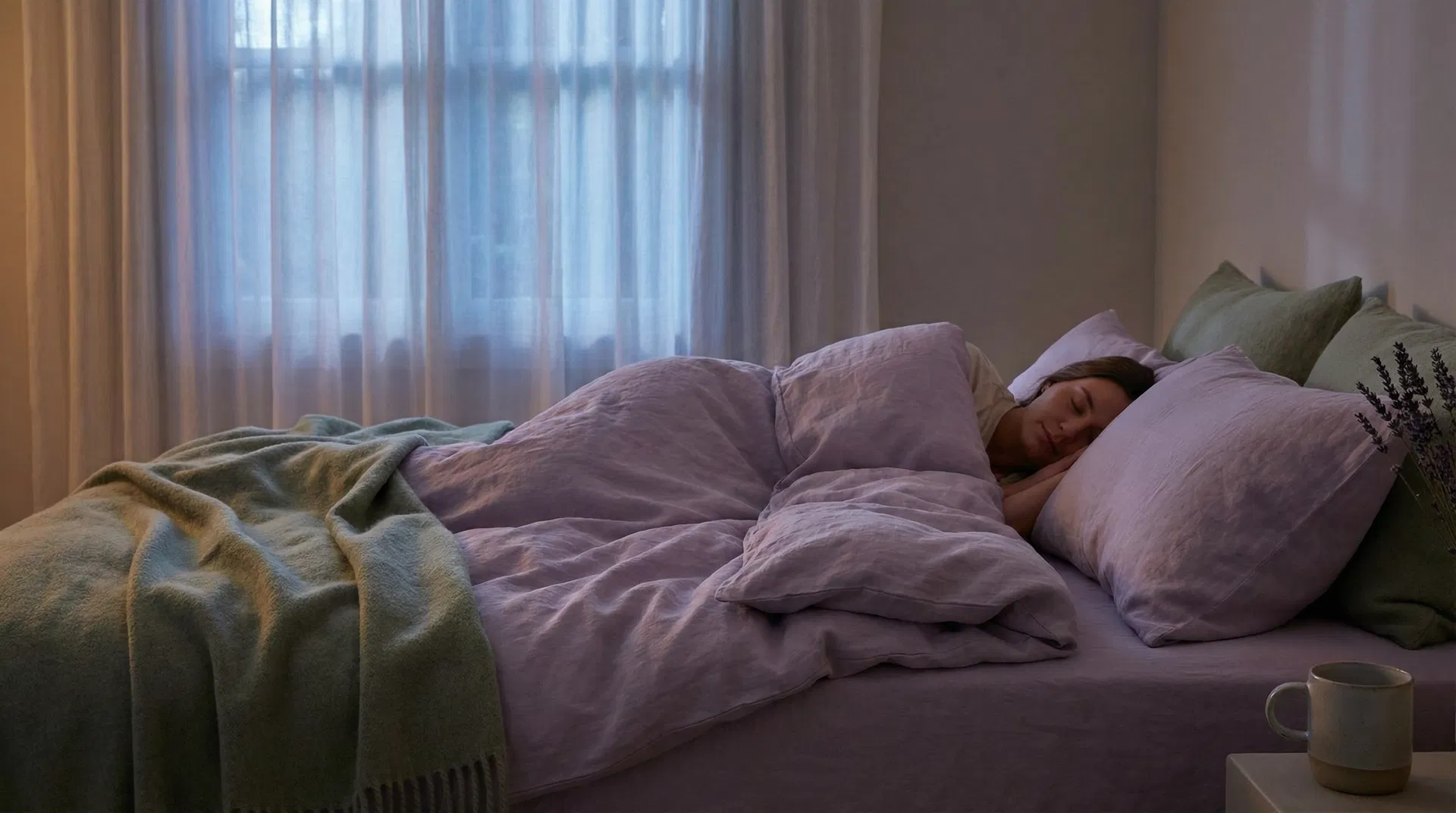
Sleep disorders affect millions in the UK. Medical cannabis is increasingly being prescribed for insomnia linked to chronic conditions — with evidence showing improvements in sleep latency, quality, and overall wellbeing.
Understanding Sleep and the Endocannabinoid System
Our sleep-wake cycle is regulated by various biological mechanisms, including the endocannabinoid system (ECS). The ECS is a vast network of receptors that plays a crucial role in maintaining balance across numerous bodily functions, including mood, appetite, pain sensation, and sleep.
THC and CBD, the primary cannabinoids in CBMPs, interact with ECS receptors throughout the brain and body, influencing neurotransmitter release and neuronal activity — which can, in turn, affect sleep patterns.
How THC and CBD Influence Sleep
THC is the primary psychoactive compound in cannabis. Research suggests that THC, particularly at lower doses, may reduce the time it takes to fall asleep (sleep latency) and increase deep sleep stages. However, higher doses can sometimes disrupt sleep architecture and cause next-day grogginess. Its sedative properties are attributed to its interaction with CB1 receptors in brain regions associated with sleep regulation.
CBD is non-intoxicating. Its potential benefits for sleep are thought to stem from its anxiolytic and analgesic properties. Many sleep disturbances are exacerbated by anxiety or chronic pain, and by addressing these underlying issues, CBD may indirectly promote better sleep. Studies indicate that CBD can help calm the nervous system and reduce REM sleep disturbances.
Qualifying Conditions for Medical Cannabis for Sleep
In the UK, medical cannabis is not a first-line treatment for insomnia. It is typically considered when a patient has a diagnosis of chronic insomnia that is secondary to another qualifying condition, and where conventional treatments have proven ineffective. Underlying conditions that commonly qualify include chronic pain (fibromyalgia, neuropathic pain, arthritis), PTSD and anxiety disorders, multiple sclerosis, and cancer-related symptoms.
For patients whose insomnia is purely primary — with no underlying condition — eligibility is less straightforward, though not impossible. Your specialist clinician will assess your full medical history to determine whether a CBPM prescription is appropriate.
Which Products Are Used for Sleep?
For sleep disorders, clinicians typically prescribe CBD-dominant preparations, often with a small amount of THC to enhance the sedative effect through the entourage effect. Common formulations include sublingual oils (taken under the tongue before bed) and capsules.
Dried flower for vaporisation is sometimes prescribed for patients who need rapid onset of effect. Your prescribing clinician will recommend the most appropriate product and dosing schedule based on your specific sleep pattern and underlying condition.
Combining CBMPs with Sleep Hygiene
Medical cannabis is most effective for sleep disorders when combined with good sleep hygiene practices. Sleep hygiene refers to a set of behavioural and environmental recommendations designed to promote consistent, quality sleep. These include maintaining a regular sleep schedule, creating a cool and dark sleeping environment, avoiding screens for at least one hour before bed, limiting caffeine after midday, and avoiding alcohol — which, while sedating, disrupts sleep architecture.
Your prescribing clinician may also recommend referral to a sleep specialist or a course of CBT-I (cognitive behavioural therapy for insomnia), which is the most effective non-pharmacological treatment for chronic insomnia. CBMPs and CBT-I are complementary approaches that can work well together.
Monitoring Your Sleep Progress
Tracking your sleep is an important part of CBMP treatment for insomnia. Keeping a sleep diary — recording bedtime, wake time, number of night awakenings, and subjective sleep quality each morning — provides your clinician with the data needed to optimise your treatment.
Many patients also find it helpful to use a wearable device (such as a smartwatch or fitness tracker) to monitor sleep stages objectively. While these devices are not clinical-grade, they can provide useful trend data over time.
At each follow-up appointment, your clinician will review your sleep data alongside standardised questionnaires such as the Pittsburgh Sleep Quality Index (PSQI) or Insomnia Severity Index (ISI) to assess your progress and adjust your treatment plan accordingly.
Frequently Asked Questions
Can medical cannabis help with insomnia?
What is the best medical cannabis product for sleep?
Will I become dependent on medical cannabis for sleep?
Ready to Start Your Treatment Journey?
Register as a patient with MEDCANN Pharmacy today. Our specialist clinicians will assess your eligibility and guide you through every step.
Register as a Patient